Archives
- 2026-10
- 2026-09
- 2026-08
- 2026-07
- 2026-06
- 2026-05
- 2026-04
- 2026-03
- 2026-02
- 2026-01
- 2025-12
- 2025-11
- 2025-10
- 2025-09
- 2025-03
- 2025-02
- 2025-01
- 2024-12
- 2024-11
- 2024-10
- 2024-09
- 2024-08
- 2024-07
- 2024-06
- 2024-05
- 2024-04
- 2024-03
- 2024-02
- 2024-01
- 2023-12
- 2023-11
- 2023-10
- 2023-09
- 2023-08
- 2023-07
- 2023-06
- 2023-05
- 2023-04
- 2023-03
- 2023-02
- 2023-01
- 2022-12
- 2022-11
- 2022-10
- 2022-09
- 2022-08
- 2022-07
- 2022-06
- 2022-05
- 2022-04
- 2022-03
- 2022-02
- 2022-01
-
Cdc is also linked to the adherens junction via IQGAP
2022-04-16
Cdc42 is also linked to the adherens junction via IQGAP1, however, it appears to have an opposite effect on junctional stability. When Cdc42 is inactive, IQGAP1 binds to β-catenin, displacing α-catenin, resulting in the loss of α-catenin-linked CAY10603 filaments from the adherens junction and reduc
-
Numerous stimuli lead to inactivation of GSK
2022-04-16

Numerous stimuli lead to inactivation of GSK-3, including Growth Factors such as EGF (Epidermal Growth Factor), PDGF (Platelet-Derived Growth Factor), BDNF (Brain-derived neurotrophic factor), IGF (Insulin-like growth factor) and insulin (Beaulieu et al., 2009, Chen and Russo-Neustadt, 2005, Cohen a
-
Some years ago it has been
2022-04-16

Some years ago, it has been described that CD45RA+ CD62L+ naïve CD4+ T 680C91 can be further differentiated into two distinct subpopulations by analysing their surface expression of CD31(Kimmig et al., 2002a; Kohler and Thiel, 2009; Kohler et al., 2005b). CD31+ thymicnaive CD4+ T cells are enriched
-
br Several reports have shown an anti
2022-04-16
Several reports have shown an anti-proliferative effect of type I IFNs on CD4+ T ethionamide receptor activated in vitro either upon anti-CD3 antibody treatment [28,29] or upon cognate antigen stimulation [29]. However, the in vivo setting is a lot more complex, since the final outcome is the net
-
Mongolian gerbils Meriones unguiculatus a social rodent
2022-04-16
Mongolian gerbils (Meriones unguiculatus), a social rodent species, are widely distributed in the typical steppe, desert steppe and desert habitats of northern China, Mongolia, and Trans-Baikal region of Russia. In wild, the recorded maximum lifespan (apparent longevity) was 29.5 months for female M
-
N-acetyl D-galactosamine Restless running behavior was first
2022-04-16
‘Restless running behavior’ was first described in mice after administration of 30mg/kg i.p. ALX-5407 and was thought to be due to an augmentation of NMDA-induced dopamine activity [27]. The motor impairments caused by ALX-5407 were confirmed by Perry et al. [10] and extended to another sarcosine-de
-
br Computational details and modeling All calculations were
2022-04-16
Computational details and modeling All calculations were performed using the density functional B3LYP [34] method, implemented in Gaussian03 program [35]. The structures of reactants, transition states, intermediates, and products were optimized using the 6-31+G(d) basis set for the H, C, N, O an
-
br Materials and methods br Results br Discussion
2022-04-16
Materials and methods Results Discussion Conclusion Pharmacophore modeling was applied to explore new probable Glo-I inhibitors. Ninety two pharmacophoric models were generated representing diverse types of interaction between co-crystallized ligands and corresponding binding site. The g
-
Initial studies generally focused on
2022-04-15
Initial studies generally focused on the co-administration of glutamate with transport inhibitors and clearly revealed the ability of the blockers to exacerbate excitotoxic injury in both in vitro and in vivo models (McBean & Roberts, 1985, Robinson et al., 1993a). In addition to demonstrating the c
-
br Materials and methods br Results br Discussion
2022-04-15

Materials and methods Results Discussion Defective regulation and inappropriate activation of the HH signaling pathway is implicated in many cancers. SMO targeting inhibitors were the first to enter clinical trials, however complications with acquired resistance and toxicity, also exemplifi
-
br Methods br Results br Discussion In this study we
2022-04-15
Methods Results Discussion In this study, we investigated temperature effects on Vj-gating properties of two cardiac GJs. In the case of Cx45 GJs, increased temperature from 22 °C to 28 °C (or 32 °C) led to an accelerated Vj-dependent deactivation with little change in the extent of Vj-gati
-
c-kit inhibitor The regulation of gap junction connexin medi
2022-04-15
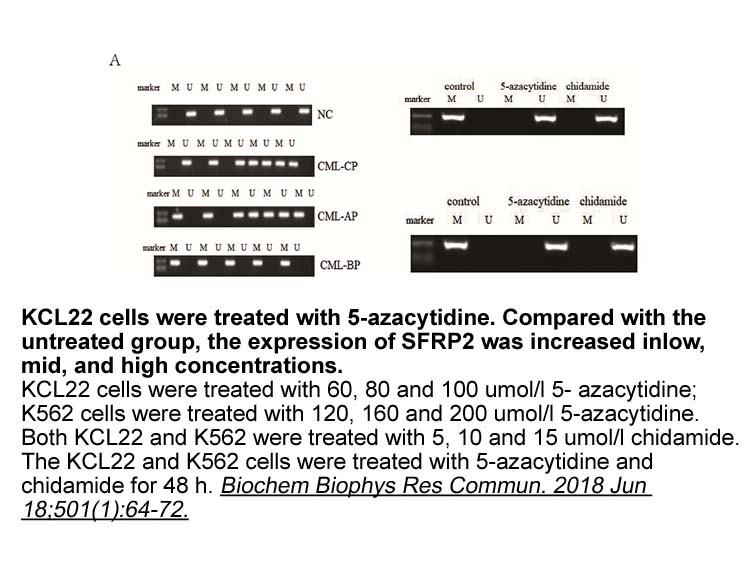
The regulation of gap junction-connexin-mediated activities may be achieved through action on the channel gating properties (membrane voltage, pH, interaction with junctional and cytoskeletal proteins, Ca2+ and K+ concentrations, etc) or on the trafficking, turnover and localization of connexins. Sh
-
pitavastatin Genetic contributions to this dysregulation of
2022-04-15
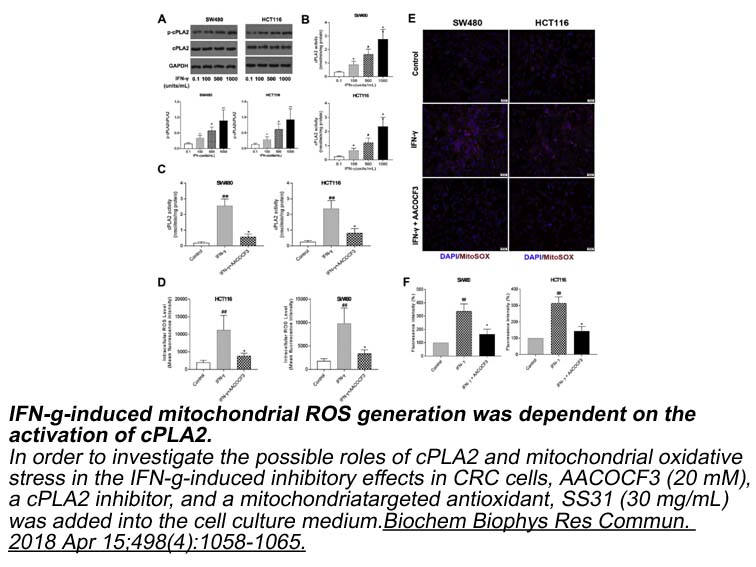
Genetic contributions to this dysregulation of expression have been studied, and significant associations have been found. The Fas −670 polymorphism is associated with preterm premature rupture of membranes, preeclampsia, as well as intrauterine growth restriction [7], [16]. The Fas SNP (−670 A>G) i
-
Compounds that induce exocytosis in cultured cells
2022-04-15
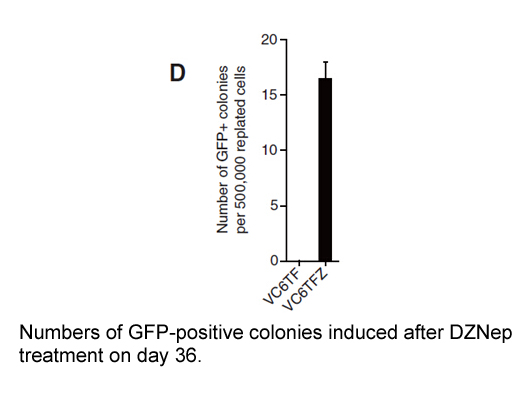
Compounds that induce exocytosis in cultured Oxonic acid potassium salt include Ca2+-dependent [14] or Ca2+-independent [15] mechanisms. Ca2+-dependent exocytosis releases soluble enzyme content from lysosomes [16] operating by increasing the cytosolic concentration of Ca2+[13] by recruiting extrac
-
The NuB complex interacts with Asf p which plays a
2022-04-15
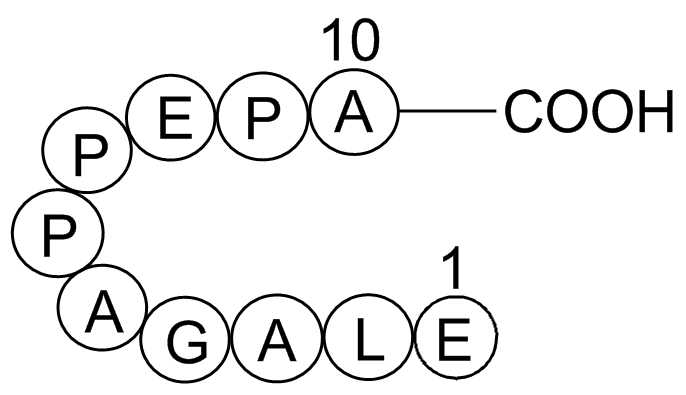
The NuB4 complex interacts with Asf1p, which plays a central role in controlling the flux of histones to the various chromatin assembly pathways. This interaction is also evolutionarily conserved having been detected in yeast, chicken and human szl mg [27], [61], [104], [105]. Asf1p appears to inte
8221 records 483/549 page Previous Next First page 上5页 481482483484485 下5页 Last page